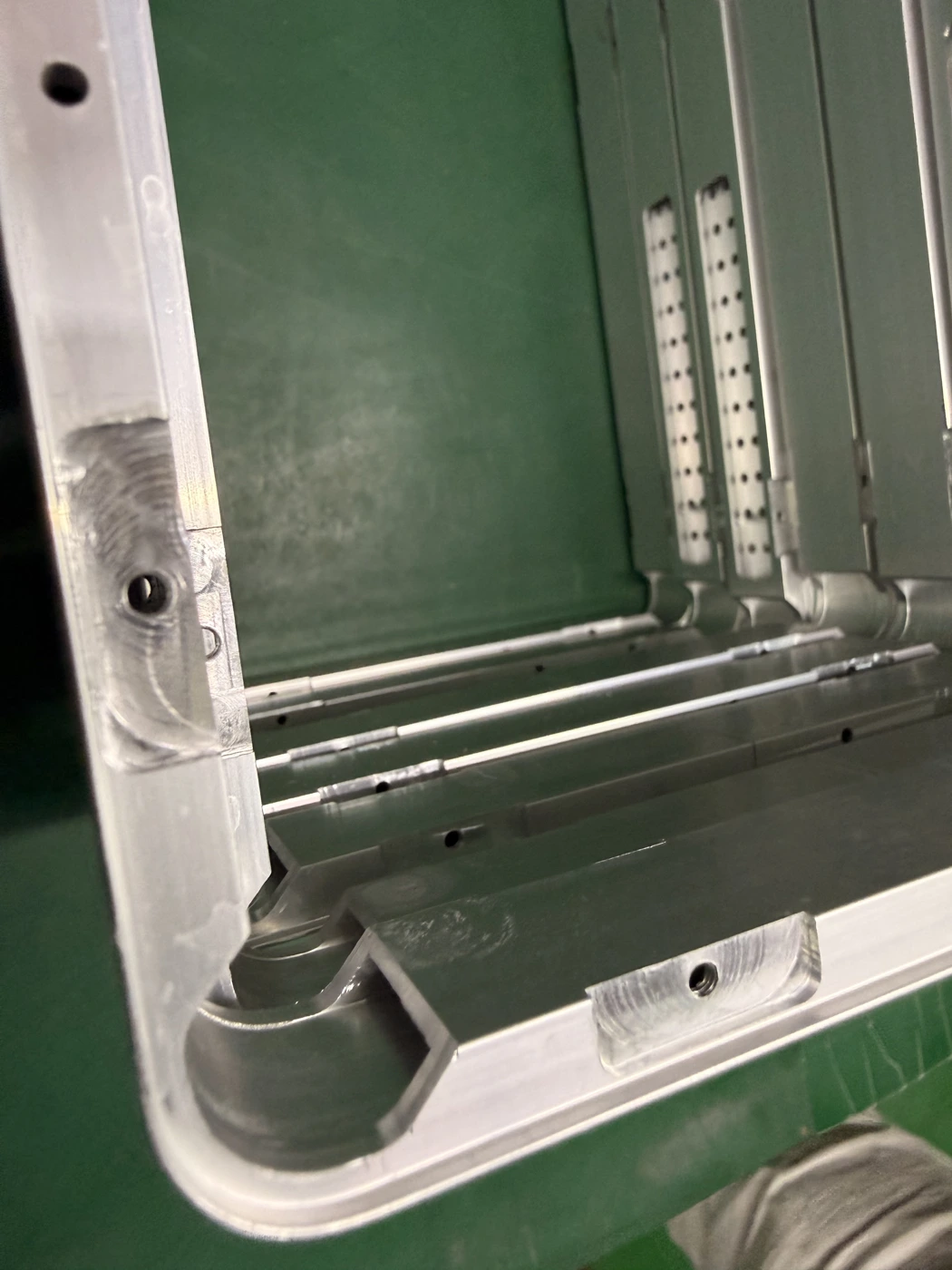
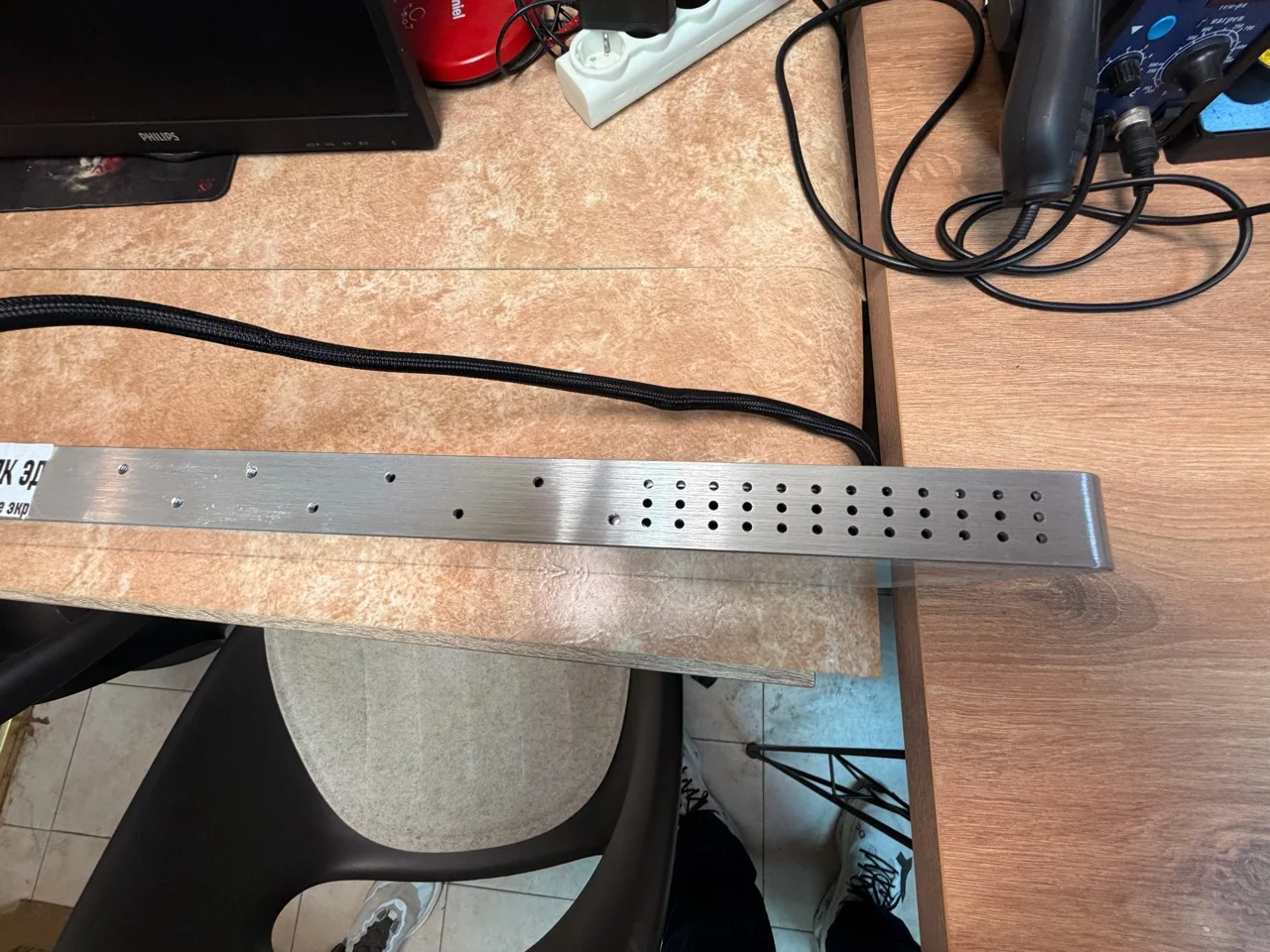
Vandal-resistant construction
Special-section aluminum profile and protective tempered glass. 9H glass with a thickness of 3 mm is an optional upgrade.
 Discuss ADTS Ultra Slim 35
A double-sided shelf display for retail shelves and aisles. Two displays in one aluminum enclosure with an external Rockchip RK3568 controller.
Two displays in one aluminum enclosure with tempered glass and an internal scaler. A protected LVDS cable connects the enclosure to a separate Rockchip RK3568 controller.
The display can pivot on its hinges and return to its original position. Mount selection and installation follow the instructions for the site.
The double-action spring return mechanism lets the screen deflect by 90–180° to each side after incidental contact. The hinges connect the enclosure edge to shelf brackets; springs return the screen to its working position.
Protection for the display and shoppers during incidental contact in the aisle.
Special-section aluminum profile and protective tempered glass. 9H glass with a thickness of 3 mm is an optional upgrade.
Double-action spring hinges let the screen deflect by 90–180° to each side and return to its initial position. The cable is routed with sufficient slack for movement.
Brightness is 400–700 cd/m² depending on the application and selected panels. We select the configuration for store lighting and legible advertising on both sides.
Like a shelf stopper, the screen projects into the aisle and a shopper may accidentally brush it with their shoulder. The movable mount lets the screen swing away, reducing the risk of enclosure damage and rigid contact with the shopper.
Hardware and software are separate parts of the project.
A 90 W PoE injector is included. Power and data are carried over an Ethernet line of up to 100 m in an agreed configuration.
We verify the cable, PoE receiver compatibility and power available at the far end. The LVDS cable between the screen and controller remains a separate connection.
CMS and licenses are not included in the hardware package. Use your own system or select a platform with ADTS. We verify integration and compatibility before series delivery.
Hardware and system software customization for your network infrastructure.
System software options for the external Rockchip RK3568 controller. Agree and pilot-test the OS image, application versions and update procedure.
A camera is available as an optional addition. For Addreality, we agree on the video analytics module, field of view and lighting, computing load and data processing requirements.
Two-sided content, appearance, system image, peripherals and mounting kit. Polished aluminum; trim, brackets and hinges in RAL 7035 for the selected configuration.
We select a CMS and develop integrations for your requirements.
Playlists, schedules, multi-zone layouts and playback reports. Available features depend on the selected CMS and license.
With an optional camera and analytics module, you can estimate viewer counts, attention time and approximate age groups, and compare engagement across campaigns.
This is an audience estimate, not identification of an individual. Measurement quality depends on camera position, lighting and the selected configuration.
Customer software, other CMS platforms, an Android / Linux system image and data exchange with your infrastructure. Camera, licenses and development are specified separately for the project.
Discuss integration ↗Agree requirements before the pilot and verify them for the specific hardware revision and software version.
Check fasteners and shelf, free screen travel, and cable protection against pinching and tension. Power and grounding follow the manual and project; electrical work is performed by a qualified specialist.
Agree roles and unique credentials, permitted network connections, and disable unnecessary ports and services. Verify access to settings and content management.
Record the image version and support period. Verify update authenticity, rollback, recovery after power loss and event logging in the agreed configuration.
Before enabling the camera, define required data, processing location, access and retention. Agree visitor information and analytics constraints with the customer.
These are project requirements, not a certification claim or a statement that every firmware includes all functions.
Cybersecurity requirements reference: NISTIR 8259A ↗
Dimensions and configuration, construction, installation and pilot checks. Documents are in Russian.
EAEU N RU D-RU.RA06.V.04383/26
ROSS RU.32001.04IBF1.OSP28.105398
Match the model and configuration to the document scope. We verify the current status and document package when preparing delivery.
| Enclosure dimensions | 922 × 217 × 30 mm |
|---|---|
| Screen size | 36,5″ |
| Configuration | Double-sided: two displays |
| Enclosure | Aluminum profile |
| Glass | Tempered; optional 9H glass, 3 mm thick |
| Display electronics | Scaler inside the enclosure |
| Connectivity | LVDS cable to the external controller |
| Controller platform | Rockchip RK3568 |
| Installation | Hinge on the enclosure edge → L bracket → shelf |
| Brightness | 400–700 cd/m², depending on the application and configuration |
| Return mechanism | Double-action spring return mechanism |
| Deflection angle | 90–180° to each side |
| Package contents | Screen, external controller, power supply, mounting hardware and support, 90 W PoE injector |
| Power over Ethernet | Line up to 100 m; cable and compatible PoE receiver specified for the project |
| Software | CMS and application software are not included; selected separately |
| CMS | Cubic Vision / Kubik Media, Addreality; other CMS platforms after compatibility verification |
| Camera and video analytics | Optional addition; module and license agreed separately |
The configuration, mounting parameters and package contents are recorded in the order specification.
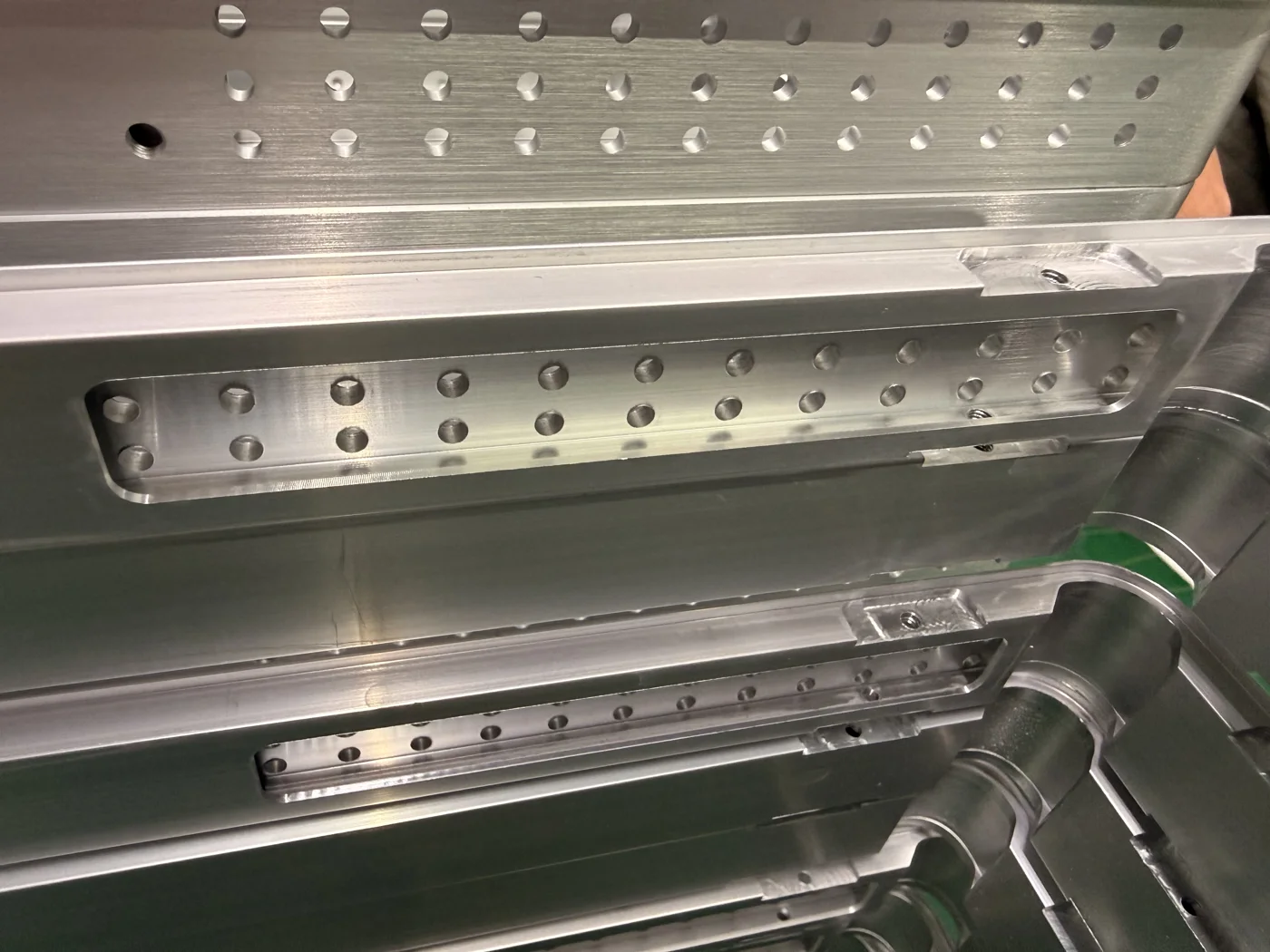
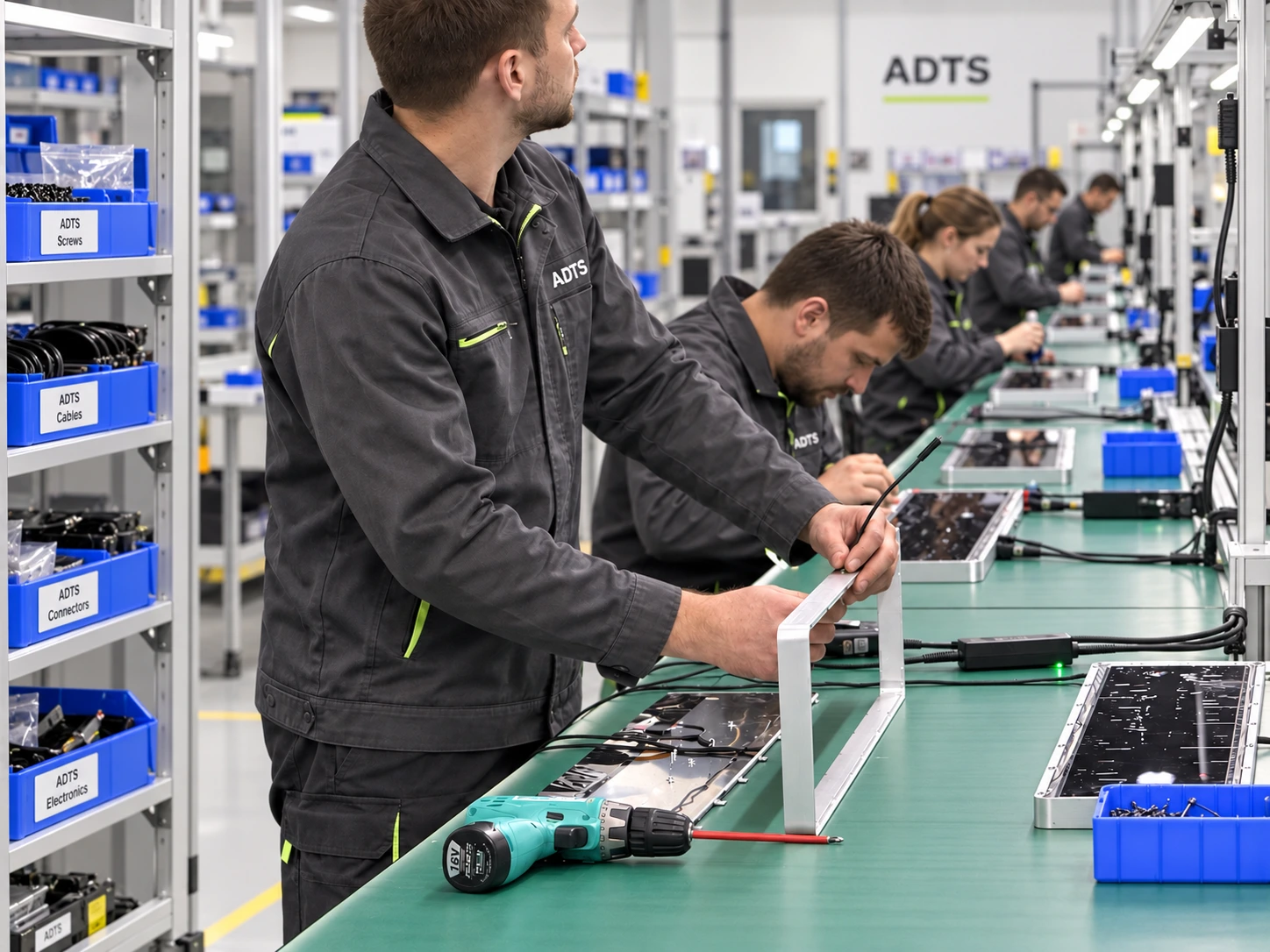
Aluminium profile, preparation of display modules and finished-product inspection.
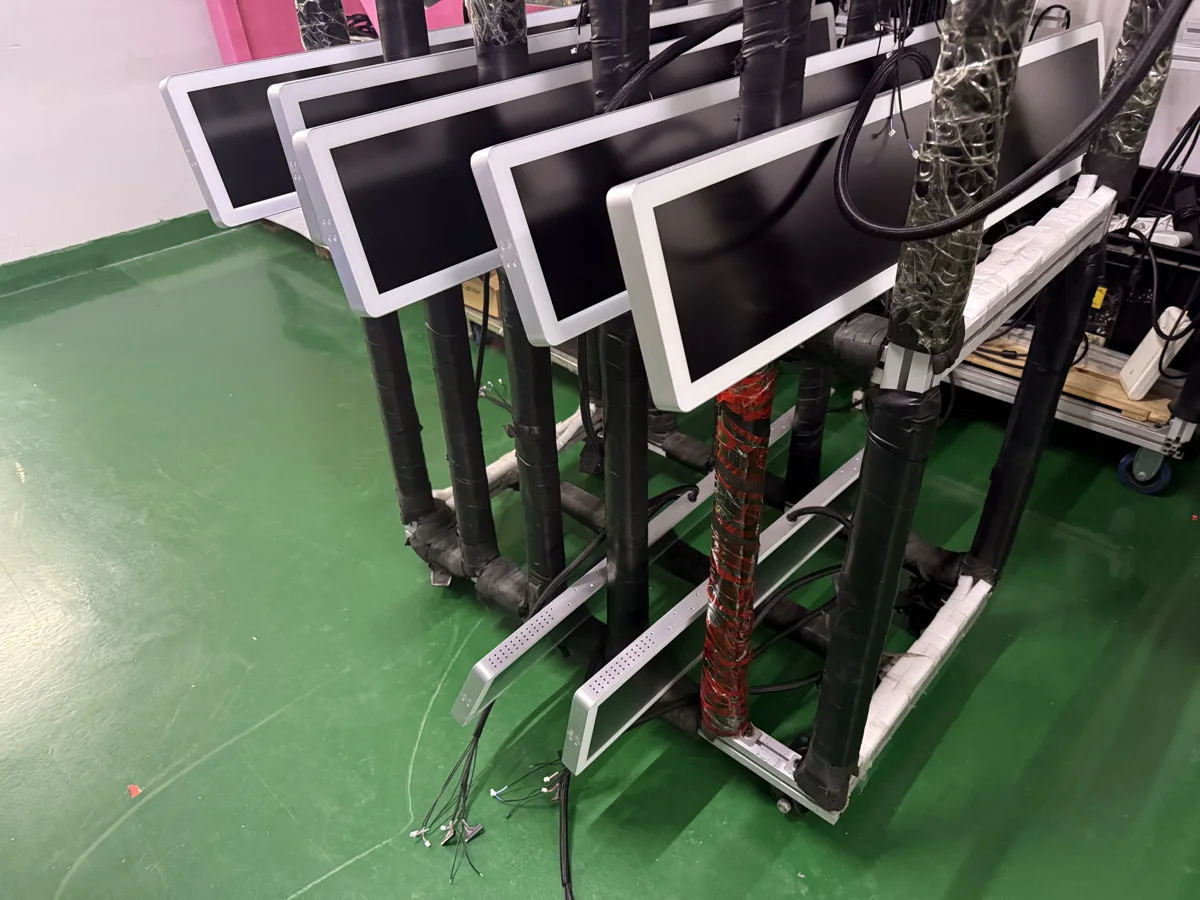
Climate, electrical and transport checks. The control program depends on model and configuration.
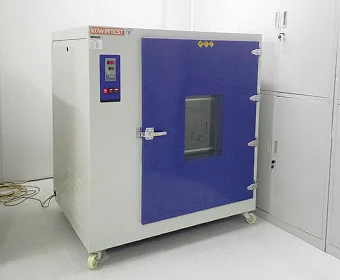
Environmental chambers for checking device behaviour. Temperature, humidity, load and duration are specified for each configuration.
Test equipment
The facility documents 24 hours for power supplies and 48 hours for complete devices. These are distinct regimes; applicability to SLIM35 is determined separately.
Test equipment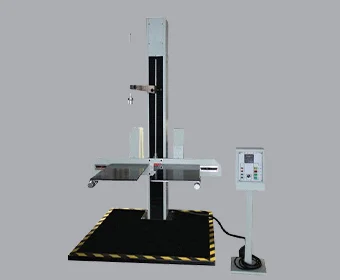
Vibration rigs and a drop tester for assessing packaged transport. The test profile, drop height and post-test checks are defined for the selected product.
Photo: package drop testerElectrical checks: power supplies, dielectric strength and operation under load.
Exposures and measurements for the agreed configuration.
High and low temperatures and elevated humidity. Conditions, duration and post-exposure operation are recorded in the test program.
Salt spray chamber testing evaluates corrosion resistance of materials and coatings.
Impact and static loading. The method, load magnitude and criteria for continued operation are specified for the sample.
Drop and vibration testing of the packaged product; assessment of packaging integrity and equipment condition afterwards.
Dielectric strength, insulation resistance and electromagnetic compatibility checks within applicable requirements and methods.
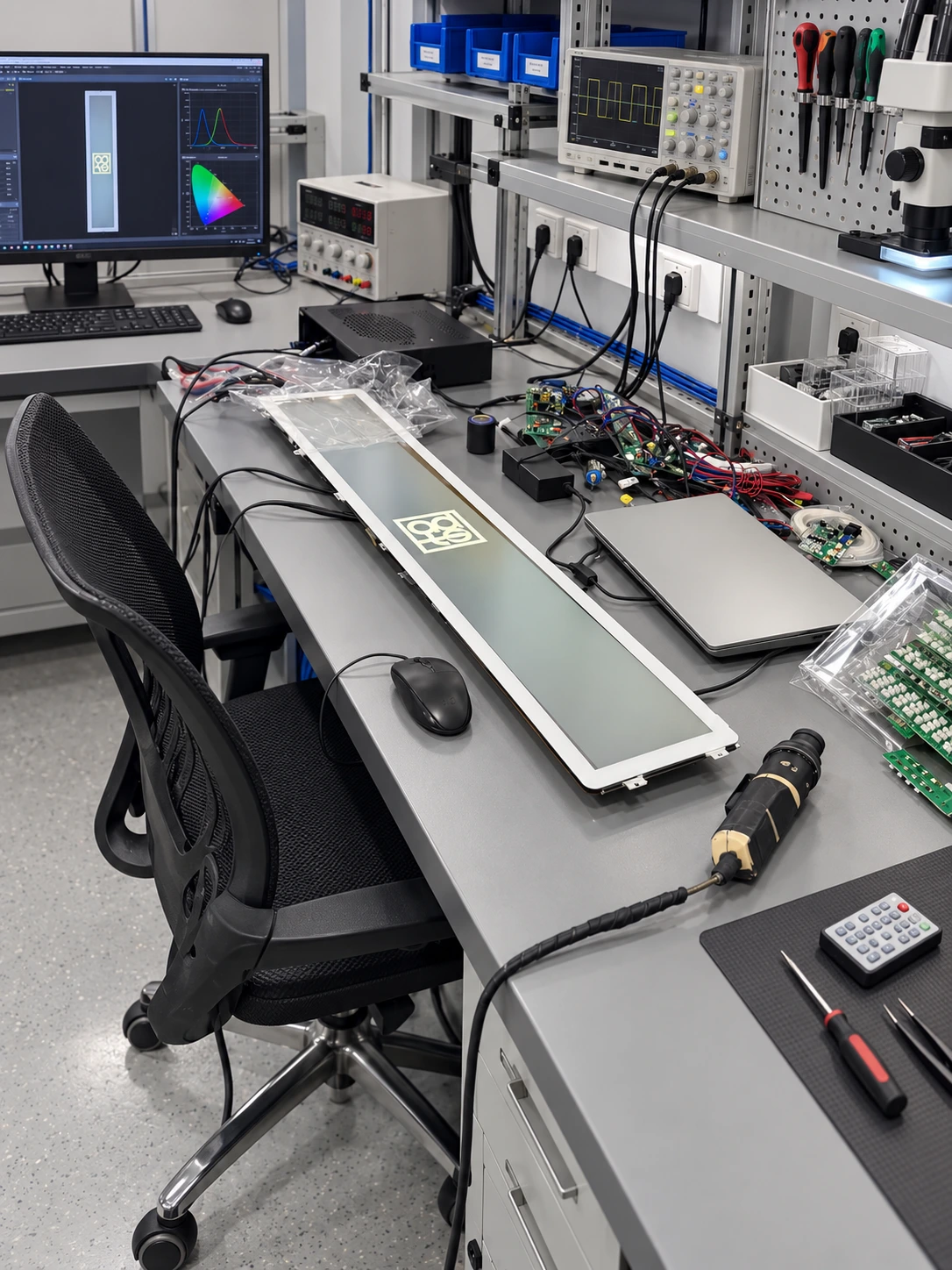
Brightness measurement and image checks on both sides. Results are tied to the panels and hardware revision.
Conditions, batch, results and acceptance criteria are recorded in reports. This list does not mean every check is covered by a certificate or has been performed for every configuration.